
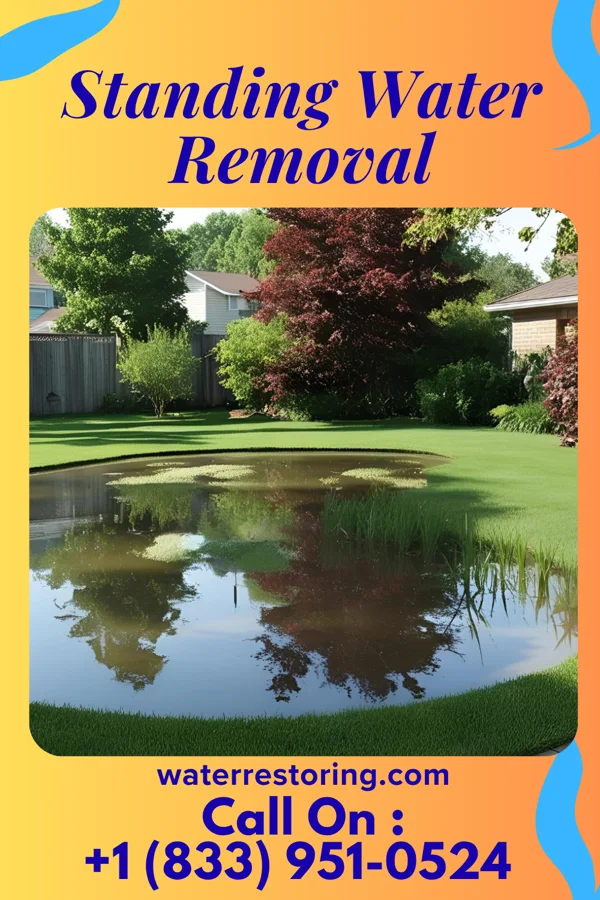
Standing Water Across Bandon Neighborhoods
Every neighborhood in Bandon has a different water damage risk profile. The one that shows up on most restoration calls is In Bandon, Oregon, primary water damage often stems from heavy rainfall and coastal flooding, particularly during the late fall and winter months when the area experiences frequent storms. Additionally, high tides and rising sea levels near the Coquille River can lead to basement flooding and seepage in lower-lying properties.. A close second is Secondary causes include plumbing failures in older homes, leaking roofs due to strong coastal winds, and water infiltration from nearby creeks and streams. These issues are common in the rural and coastal areas of Coos County..
Bandon's coastal location and proximity to the Pacific Ocean make it vulnerable to prolonged wet seasons and sudden storm surges. The region's mild, damp climate also contributes to slower evaporation rates, increasing the risk of long-term water damage if not addressed promptly.
Water damage in Bandon follows a few local patterns. In Bandon, Oregon, primary water damage often stems from heavy rainfall and coastal flooding, particularly during the late fall and winter months when the area experiences frequent storms. Additionally, high tides and rising sea levels near the Coquille River can lead to basement flooding and seepage in lower-lying properties. accounts for the bulk of our calls. Bandon's coastal location and proximity to the Pacific Ocean make it vulnerable to prolonged wet seasons and sudden storm surges. The region's mild, damp climate also contributes to slower evaporation rates, increasing the risk of long-term water damage if not addressed promptly. Due to the high humidity and frequent rainfall, mold can develop within 48 hours of water exposure in Bandon. This rapid growth necessitates immediate action to prevent health risks and structural damage in both residential and commercial properties.